Open a wholesale account with a US supplier (usually with your business details and Tax ID), buy per job or in small top-ups if there is no minimum order, consolidate volume to reach better tiers, and plan stock for your top models with a simple reorder point. Parts4Cells, a wholesale phone parts supplier in Houston, Texas, works this way: no minimum order quantity, tiers based on monthly purchase volume, and real-time stock on the site.
How do you place a first wholesale order?
Seven steps, in the order most shops meet them. Each one links to the part of the guide that covers it in detail.
- Get the tax paperwork ready. An EIN identifies the business; a state resale certificate lets the supplier skip sales tax on parts you resell. EIN or resale certificate
- Read the return and warranty policy before you order. Warranty by part type, installed parts, refunds and return shipping decide what a bad part costs you. Policy checklist
- Set reorder points for your top parts. Daily usage times lead time plus safety days tells you when to buy again. Stock planner
- Count the shelf before every order. Count tested stock only, on the same day each week, and check weeks of cover so parts that stopped selling are not bought again. How to count the shelf
- Keep battery stock lean. Packs age on the shelf, so top up small and often, and order rarer models per job. Battery calculator
- Check every box on arrival and test before installing. Testing before adhesive goes on means a failed part can go back in new condition. Receiving checklist
- Consolidate volume toward the next tier. Put most purchases through one main supplier and track monthly spend. Moving up a tier
Why buy wholesale instead of retail?
- Price: wholesale tiers lower your cost per part as volume grows.
- Range: one catalog covers many brands, models and quality tiers.
- Speed: a US warehouse means domestic shipping.
- Support: a supplier with technical support can help with fitment questions and faulty parts.
What goes in a repair shop's wholesale basket?
This guide groups a wholesale order into five kinds of parts. The mix that is right for your shop comes from your own repair log, not from a national list, so the table below says why each category is there and which tool sizes it.

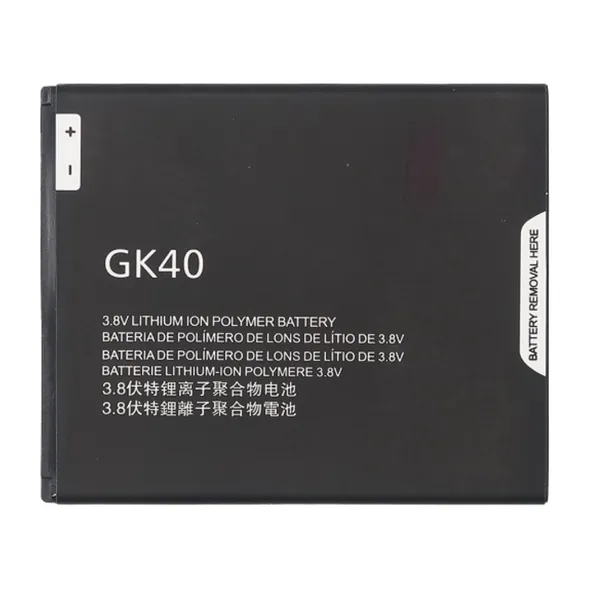
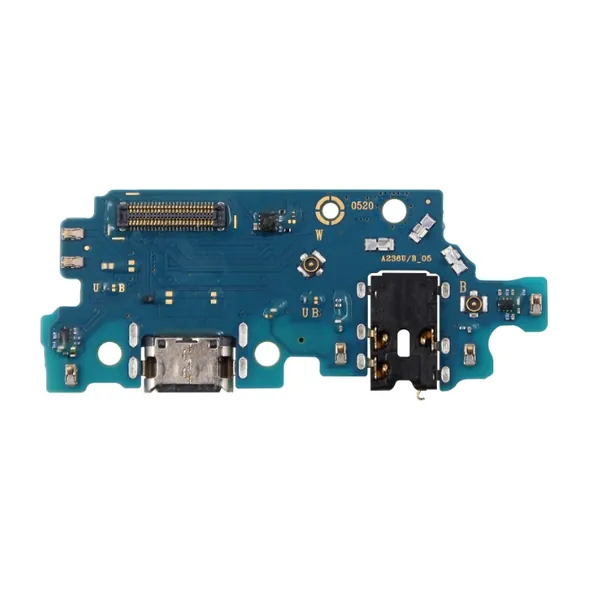
Three of the categories in the basket below, shown as real parts. Product photos: Parts4Cells.
| Category | Why it is in the basket | How to size it |
|---|---|---|
| Screens | Often the highest priced part you buy, so overstock ties up the most cash here | Reorder point per model with the stock planner; order rare models per job |
| Batteries | Repeat demand as phones age; packs also age on the shelf | Small, frequent top ups with the battery calculator |
| Charging ports and flex | Small parts that cover quick bench jobs | Add the common models to the weekly reorder list |
| Tools and consumables | Adhesive, picks and screwdrivers are used on most jobs | Reorder when one pack is left; count them in the weekly shelf check |
| Screen protectors and cases | Counter add ons sold with a repair | Rows on the reorder list from units sold a week, rounded to whole packs; per request for the rest |
How do you rank your own basket?
- Export the last 90 days of repair tickets. Your POS or ticket book already holds the answer.
- Count jobs by part and model. For example, iPhone 13 screen 14, Galaxy A23 5G port 5.
- Divide by 13 to get weekly jobs. Ninety days is about 13 weeks; this is the number the calculators ask for.
- Plan the top ten, order the rest per job. Enter the top ten in the reorder list builder and recount every quarter.
Which brands should a US shop stock?
Start with iPhone and Samsung Galaxy. In October 2026 Apple and Samsung phones together made up about 81% of mobile web traffic in the US, and no other brand passed 7%. Motorola and Google Pixel each sat near 3%. That tells you what is in your customers' pockets, not what breaks most, so set the final order from your own repair log with the stock planner.
| Brand | Share | Stocking note |
|---|---|---|
| Apple | 51.96% | Plan reorder points for the models in your log |
| Samsung | 28.94% | Plan the popular Galaxy A and S models; order the rest per job |
| Xiaomi | 6.60% | Order per job unless your log shows steady demand |
| Motorola | 3.44% | Plan the one or two models you see most |
| 3.24% | Usually per job |
Share of US mobile page views by device vendor, measured by Statcounter Global Stats, read November 21, 2026. Traffic share is a proxy for phones in use; it is not repair demand.
Frequently asked questions
Is there a minimum order to buy wholesale phone parts?
It depends on the supplier. Parts4Cells has no minimum order quantity.
Can a new repair shop buy wholesale?
Usually yes, once the account is approved. Parts4Cells requires a Tax ID for new shop accounts.
Do I need an EIN or a resale certificate to buy wholesale?
They do different jobs. An EIN is a free federal tax number from the IRS that identifies the business. A resale certificate is a state sales tax form that lets the supplier skip sales tax on parts you will resell. Suppliers may ask for either or both, so ask which one before you upload anything. The account guide explains both.
What should I check in a supplier's return policy?
Which parts carry a warranty and for how long, whether installed parts are accepted, what damage voids a claim, whether you get a refund, store credit or exchange, who pays return shipping and how long the credit takes. See the nine-question policy checklist.
When should a repair shop reorder a part?
When stock falls to its reorder point: daily usage times lead time plus safety days, rounded up. Plan your top ten parts this way and order everything else per job. Work it out with the stock planner.
Which phone brands should a US repair shop stock first?
iPhone and Samsung Galaxy. In October 2026 they made up about 81% of US mobile web traffic by brand (Statcounter). Motorola and Google Pixel were near 3% each, so most shops order those per job unless their own repair log shows steady demand. See the brand table.
Sources
- Statcounter Global Stats: Mobile Vendor Market Share United States Of America (October 2026 figures)
Sources checked November 21, 2026. Supplier terms change; confirm them on the supplier's own pages.